It is our pleasure to announce the first two-day international symposium of the Emerging Data Sciences program. For this event, we are bringing together experts in numerical simulation and data science to explore the intersection between, and bridge the gap separating, physics-based models grounded in first principles and data-driven models based on machine learning techniques, and will feature renown researchers who specialize in various areas of computational science and data science, with applications ranging from aerospace, to medicine, to astrophysics.
April 27, 2026
Data Sciences Institute,
Seminar room
10th floor,
700 University Avenue
Speakers

Fabrizia Mealli
Department of Economics, European University Institute
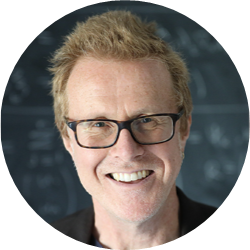
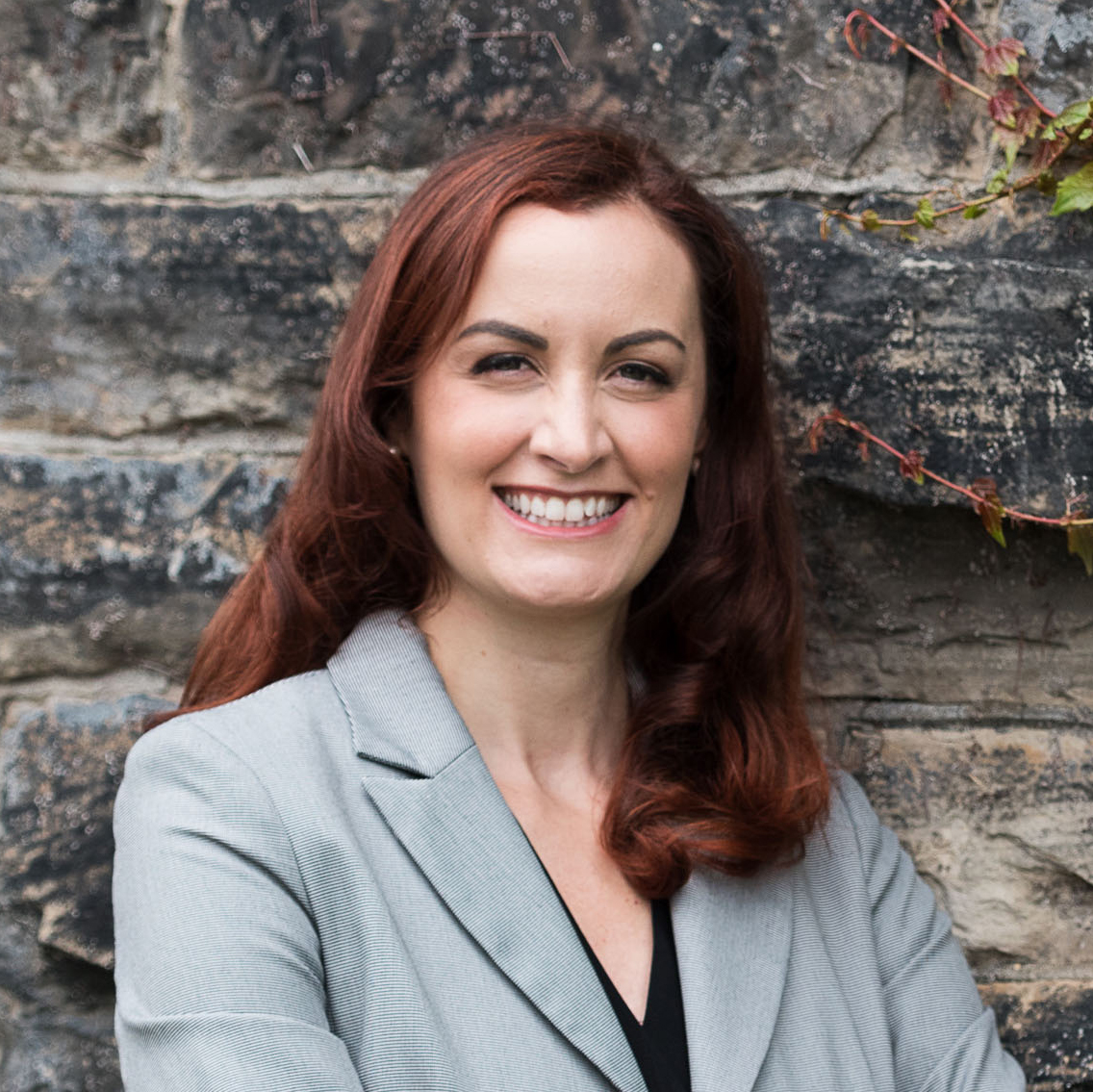
Professor Mealli’s research focuses on statistical and econometric methods for causal inference in experimental and observational settings, estimation techniques, simulation methods, missing data, and Bayesian inference, with applications to the social and biomedical sciences.
She is an Elected Fellow of the American Statistical Association (ASA) and sits on the Steering Committee of the European Causal Inference Meeting (EUROCIM). She is an Associate Editor for Biometrika, the Journal of the American Statistical Association T&M, The Annals of Applied Statistics, and Observational Studies. Mealli is President-elect of the Society for Causal Inference. Since 2001, Mealli has been teaching Causal Inference in International Schools and in Master and PhD programmes around the world.

Rajesh Ranganath
Courant Institute of Mathematical Sciences, NYU
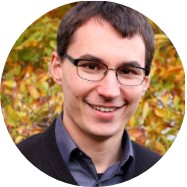
Professor Ranganath’s research interests include causal, statistical, and probabilistic inference, out-of-distribution detection and generalization, deep generative modeling, interpretability, and machine learning for healthcare. Before joining NYU, he earned degrees in computer science; his PhD was completed at Princeton University working with Dave Blei, and his undergraduate was done at Stanford University. He has also spent time as a research affiliate at MIT’s Institute for Medical Engineering and Science.

Max Tabord-Meehan
Department of Economics, University of Toronto
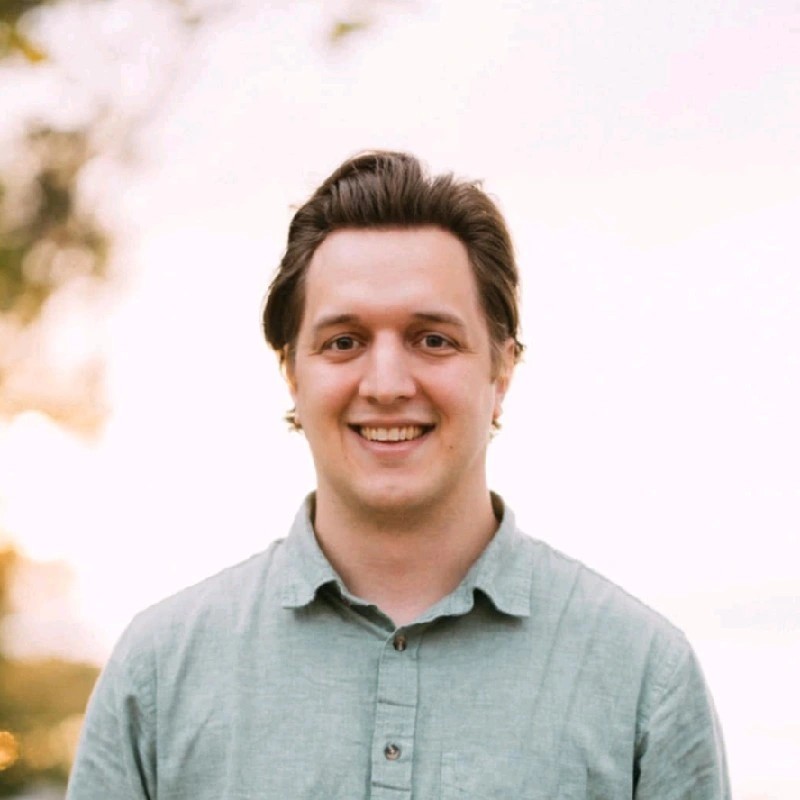
Professor Max Tabord-Meehan’s research focuses on econometrics and causal inference, with particular interest in the analysis of randomized experiments.
He is an Associate Professor in the Department of Economics at the University of Toronto. He joined the department from the University of Chicago, where he taught since completing his PhD in Economics at Northwestern University in 2019.
June 2-3, 2026
Data Sciences Institute,
Seminar room
10th floor,
700 University Avenue