
This is the third mini-symposium for the Emergent Data Science program, Bridging the Gap: From Computational Physics, to Physics-informed Machine Learning, to Data-driven Scientific Discovery. The program aims to bring together experts in numerical simulation and data science to explore the intersection between, and bridge the gap separating, physics-based models grounded in first principles and data-driven models based on machine learning techniques.
| May 19, 2026 | |||||||||||||||||||||||||||||||||||||||||||||||||||||||||||||||||||||||||||||||||||||||||||||||||||
|---|---|---|---|---|---|---|---|---|---|---|---|---|---|---|---|---|---|---|---|---|---|---|---|---|---|---|---|---|---|---|---|---|---|---|---|---|---|---|---|---|---|---|---|---|---|---|---|---|---|---|---|---|---|---|---|---|---|---|---|---|---|---|---|---|---|---|---|---|---|---|---|---|---|---|---|---|---|---|---|---|---|---|---|---|---|---|---|---|---|---|---|---|---|---|---|---|---|---|---|
|
2:10-2:15 |
Opening Remarks
|
||||||||||||||||||||||||||||||||||||||||||||||||||||||||||||||||||||||||||||||||||||||||||||||||||
|
2:15-2:40 |
A Mathematical Perspective on Contrastive Learning Ricardo Baptista, Department of Statistical Sciences, Faculty of Arts and Science |
||||||||||||||||||||||||||||||||||||||||||||||||||||||||||||||||||||||||||||||||||||||||||||||||||
|
2:40-3:05 |
Advances in Physics Informed AI for Air Quality Modeling Meredith Franklin, Department of Statistical Sciences and School of Environment, Faculty of Arts & Science |
||||||||||||||||||||||||||||||||||||||||||||||||||||||||||||||||||||||||||||||||||||||||||||||||||
|
3:05-3:30 |
Electrical Impedance Tomography – Modelling, Simulation, and Data
Adam Stinchcombe, Department of Mathematics, Faculty of Arts & Science |
||||||||||||||||||||||||||||||||||||||||||||||||||||||||||||||||||||||||||||||||||||||||||||||||||
|
3:30-3:55 |
Electromagnetic Analysis of Complex Integrated Circuits Layout: Algorithms, Challenges, and Opportunities for Data Science
Piero Triverio, The Edward S. Rogers Sr. Department of Electrical & Computer Engineering |
||||||||||||||||||||||||||||||||||||||||||||||||||||||||||||||||||||||||||||||||||||||||||||||||||
|
3:55-4:00 |
Closing remarks |
||||||||||||||||||||||||||||||||||||||||||||||||||||||||||||||||||||||||||||||||||||||||||||||||||

Ricardo Baptista
Department of Statistical Sciences, Faculty of Arts and Science, University of Toronto
Prof. Baptista’s research is on establishing the mathematical foundations and theoretical guarantees of probabilistic machine learning models, with broad applications in science and engineering. Recently, he has been developing new methodology and studying the properties of generative models based on computational measure transport.

Meredith Franklin
Department of Statistical Sciences and School of Environment, Faculty of Arts & Science, University of Toronto
Prof. Franklin’s research centers on environmental modeling, combining statistical, computational, and data science approaches to better estimate complex exposures across space and time. She develops methods that integrate diverse data sources to improve exposure assessment for environmental epidemiology and public health applications, particularly in the study of air pollution, heat extremes, and environmental mixtures. Her work aims to strengthen our understanding of how environmental exposures affect health by providing more accurate and interpretable tools for analysis.
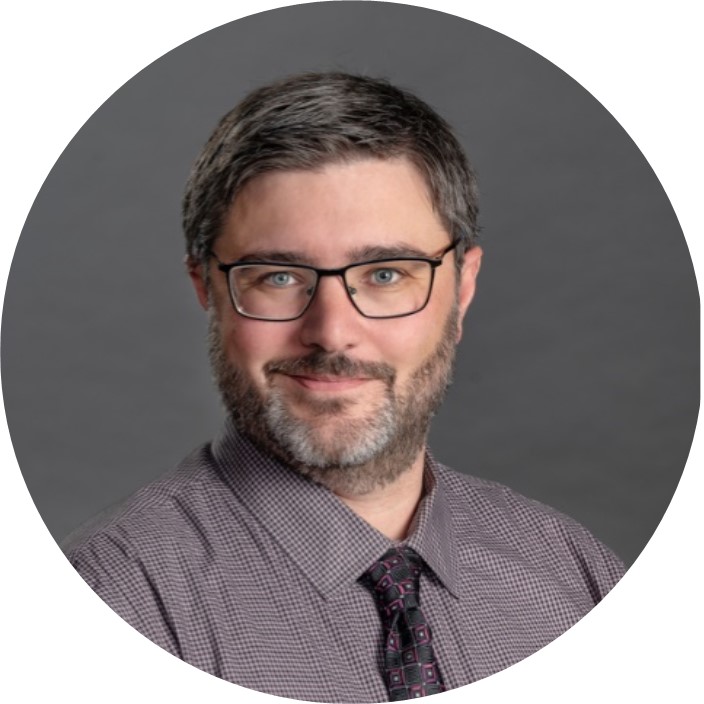
Adam Stinchcombe
Department of Mathematics, Faculty of Arts & Science, University of Toronto
Prof. Stinchcombe’s research interests include scientific computing and mathematical biology, especially pertaining to circadian biology, retinal physiology, biological fluid flows, and inverse problems. He develops mathematical models in close collaboration with experimentalists and invents analytical tools and numerical methods to analyze these models. Among several projects, Professor Stinchcombe is currently studying electrical impedance tomography through modelling, simulation, and experiment.

Piero Triverio
The Edward S. Rogers Sr. Department of Electrical & Computer Engineering, Faculty of Applied Science & Engineering, University of Toronto
Prof. Triverio’s research interests include signal integrity, computational electromagnetism, and computational fluid dynamics applied to cardiovascular diseases.He held the Canada Research Chair in Computational Electromagnetics.
Data Sciences Institute,
Seminar room
10th floor,
700 University Avenue